Table of Contents
Going on a date with someone new should feel exciting — and it is. But if you’re gay, bi, or queer, you probably know that the rush of adrenaline comes with a layer of awareness that straight daters rarely have to think about. It’s not about paranoia; it’s about lived experience in a world that isn’t always safe for people who love who they “shouldn’t.”
According to the Pew Research Center, 69% of LGB online daters have experienced at least one form of harassment on dating platforms, compared to 52% of straight users — a gap that reflects a broader reality LGBTQ+ people navigate every day. That’s not a reason to stop dating; it’s a reason to date smarter.
These 12 golden rules for gay dating safety aren’t about living in fear. They’re practical, concrete tools to help you step out with confidence — and come home with nothing but good memories.
💭 My first date from a dating app
I still remember the mix of excitement and nerves before my first-ever app date. I was 26, living in a mid-sized city, and I only told one friend where I was going — almost out of embarrassment, as if it were something to hide. I’ve learned a lot since then. Safety isn’t paranoia: it’s self-respect. Telling someone where you’re going isn’t weakness; it’s wisdom.
Before You Meet: Protect Your Information Online
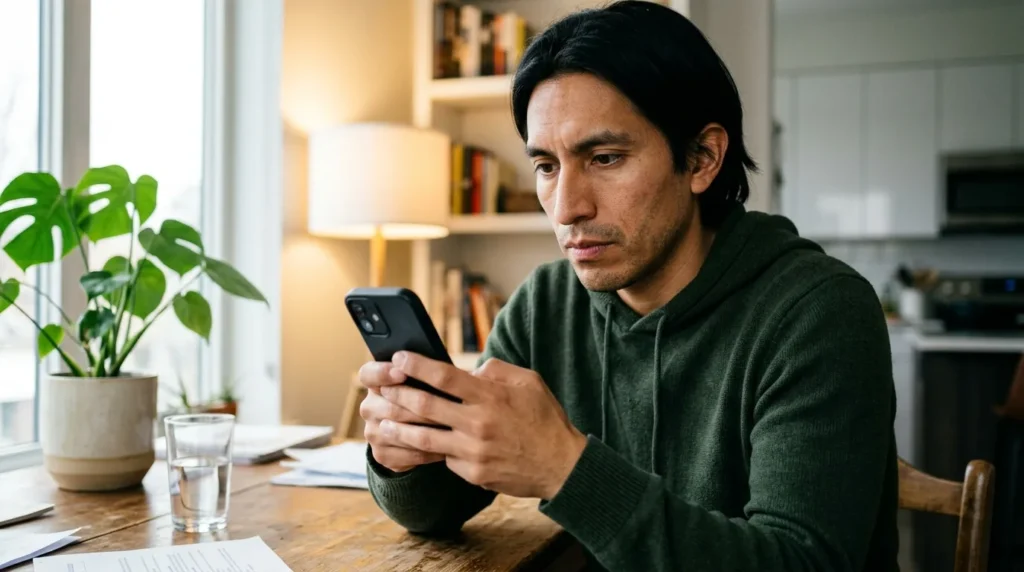
The time before a physical meeting is often the most overlooked phase — yet it’s where some of the most important decisions happen. Protecting your personal data online isn’t about distrust; it’s smart digital hygiene applied to real life.
Rule 1 — Don’t share personal information too early. Full name, home address, workplace, phone number — all of that can wait. Until you’ve verified who you’re talking to, keep the conversation in-app. There’s no rush, and anyone with good intentions will understand. If someone pushes hard for your number right away, consider that a yellow flag. For more on managing your data on dating platforms, check out our guide on protecting your data on dating apps.
Rule 2 — Be mindful of what your photos reveal. Images often carry embedded geolocation metadata. A seemingly innocent photo taken near your home can give away where you live. Disable GPS in your phone’s camera settings when using lesser-known apps, and be conscious of identifiable backgrounds — street signs, building entrances, distinctive landmarks.
Rule 3 — Verify identity before meeting in person. A short video call — even five minutes — is worth more than a hundred profile photos. It confirms the person is real and gives you a direct, unfiltered impression of who you’re dealing with. If someone consistently refuses to video call or keeps making excuses, that’s a red flag. It might be catfishing — unfortunately still common in our community.
Rule 4 — Do a light social media check. You don’t need to become a detective, but taking a quick look at your match’s social profiles can help confirm they’re a real person. Recently created accounts, almost no photos, zero mutual connections or engagement: these are factors worth noticing without making them a dealbreaker on their own.
The First Meeting: Where, How, and With Backup
The physical first meeting is where safety becomes most tangible. The choices you make before leaving home can make a significant difference to how the evening unfolds — and how it ends.
Rule 5 — Always meet in a public place first. A bar, a coffee shop, a busy park: the first meeting should always happen somewhere with other people around. Pew Research found that over 55% of LGB adults have used online dating — which means these encounters are now completely normal and deserve the same common-sense precautions as any other social situation.
Rule 6 — Choose an inclusive, familiar venue. If you’re in a city with LGBTQ+-friendly bars or neighborhoods, those spaces are ideal for a first date. You’ll feel more at ease, the atmosphere is welcoming, and if anything feels off, you’re more likely to have supportive people around you.
Rule 7 — Arrange your own transportation. Get there and get home under your own steam, especially the first time. Depending on someone you barely know for a ride means losing the ability to leave whenever you choose. A taxi, a bus, your own car: freedom of movement is freedom to choose.
Rule 8 — Always tell someone you trust. Let a friend or family member know where you’re going, who you’re meeting, and roughly when you plan to be back. Sharing your real-time location via a phone app adds another layer of reassurance. It doesn’t make you paranoid — it makes you responsible.
During and After: Trust Your Gut

Once you’re at the date, safety doesn’t take a back seat. Staying present and tuned in to how you feel is the most powerful tool you have.
Rule 9 — Trust your instincts, without negotiating. If something doesn’t feel right — the other person’s energy, an evasive answer, a situation that’s escalating unexpectedly — don’t brush it off. Our bodies often detect danger before our rational mind does. Leaving early is not rudeness: it’s wisdom. Have a backup excuse ready (“a friend needs me” always works), and use it without guilt.
Rule 10 — Stay in control of what you consume. Alcohol and substances lower your defenses and impair judgment. That doesn’t mean you can’t enjoy a drink — but keep track of what you’re consuming and how much. Never leave your drink unattended, and if you start feeling strangely off after just a little, distance yourself from the situation and contact someone you trust. Drink spiking is a real risk, not just a plot device in crime shows.
Rule 11 — Communicate your boundaries clearly, and respect theirs. Before and during the date, you have every right to state what you want and what you don’t. A “no” is valid at any moment, for any reason. And equally, pay attention to the other person’s signals. Open communication about expectations actually makes dates safer — and paradoxically, often more enjoyable too.
Rule 12 — Block and report without guilt. If an experience made you feel unsafe or uncomfortable — online or in person — using the app’s block and report features is not an overreaction. You’re protecting yourself and potentially other users. Online dating scams and harassing behavior should be reported: it’s a contribution to the health of the entire community.

Conclusion
Gay dating safety isn’t a list of restrictions — it’s the foundation for authentic, positive experiences. Protecting your data, choosing safe venues, letting someone know your plans, and trusting your gut are all concrete acts of self-respect, not fears to be hidden. Applied consistently, they become second nature rather than a burden.
Dating, when approached with awareness, can be genuinely wonderful: full of surprises, real connections, and moments worth keeping. These 12 rules aren’t there to scare you; they’re there to give you the tools to enjoy every date with more ease and less worry. Because you deserve to step out feeling in control — and come home with a story worth telling.
🛡️ Looking for a safe and inclusive platform?
GoGay.Dating is designed for the LGBTQ+ community with verification tools and maximum privacy.
30-day free trial!
✍️ By the GoGay Editorial Team
The news.gogay.dating editorial team shares authentic experiences from the LGBTQ+ community. Learn more →